


The Club Company Collection
Rest & Recovery
An Essential Part of a Balanced Fitness Routine
When we think about improving fitness, it’s easy to focus on workouts, classes, and pushing ourselves harder. However, rest and recovery are just as important as exercise itself. Taking time to recover allows your body and mind to adapt, rebuild, and come back stronger.
A balanced routine isn’t only about how much you train, it’s also about how well you recover. By prioritising sleep, rest days, and gentle recovery activities, you can help prevent injury, reduce fatigue, and support long-term wellbeing.

Why Recovery Matters
Every workout places stress on the body. Muscles, joints, and your nervous system all need time to repair and adapt. Without adequate recovery, you may feel constantly tired, your performance may plateau, and the risk of injury can increase.
Incorporating recovery into your routine helps to:
Repair and strengthen muscles
Reduce muscle soreness and stiffness
Improve long-term performance
Support mental wellbeing
Maintain energy and motivation
Recovery isn’t about doing nothing – it’s about giving your body the right conditions to restore and rebuild.
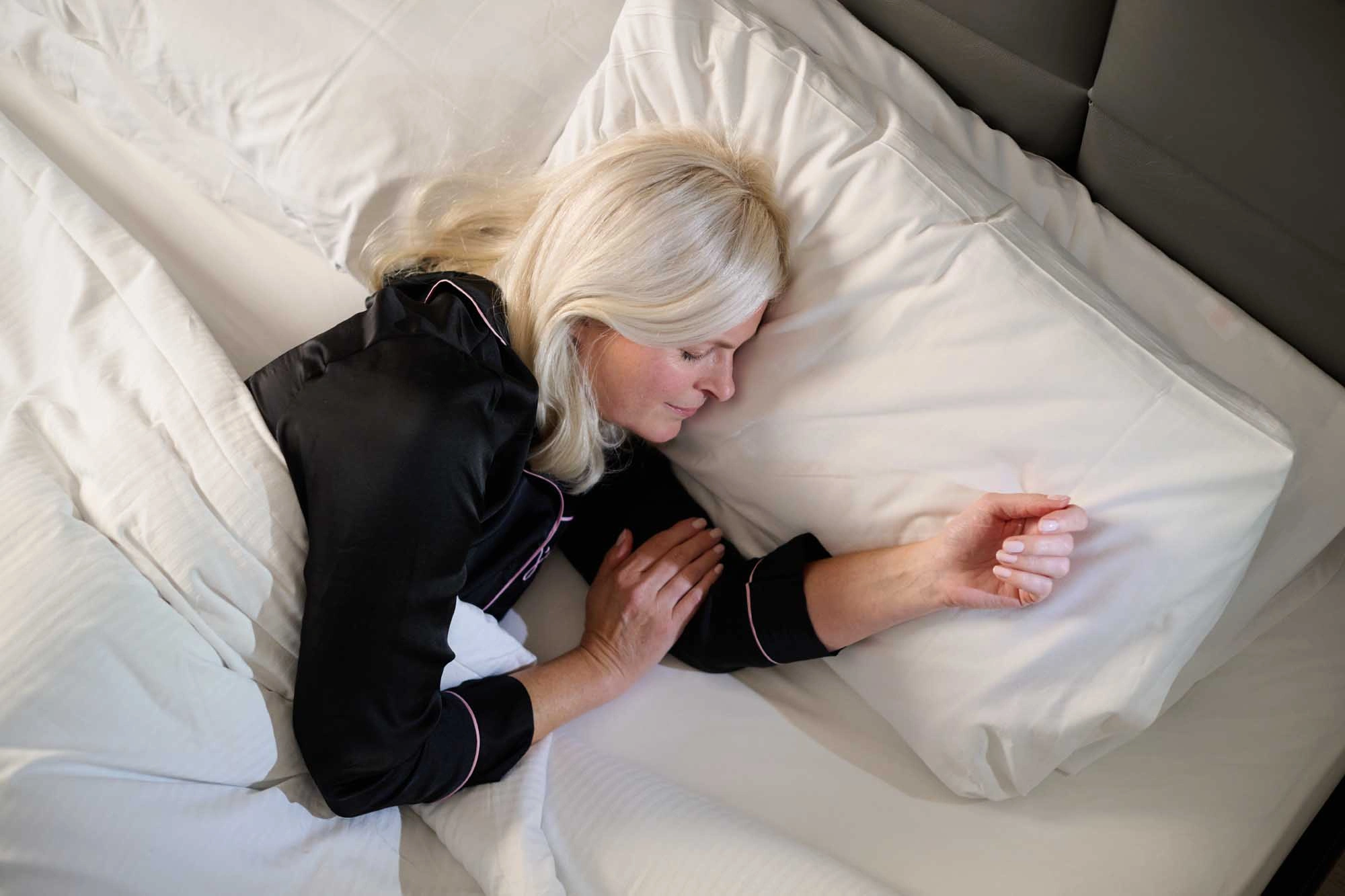
Prioritise Quality Sleep
Sleep is one of the most powerful recovery tools available. During sleep, the body repairs muscle tissue, regulates hormones, and restores energy levels.
Most adults should aim for 7–9 hours of sleep each night to support effective recovery and overall health. Consistent sleep patterns, limiting screen time before bed, and creating a calm sleep environment can all help improve sleep quality.
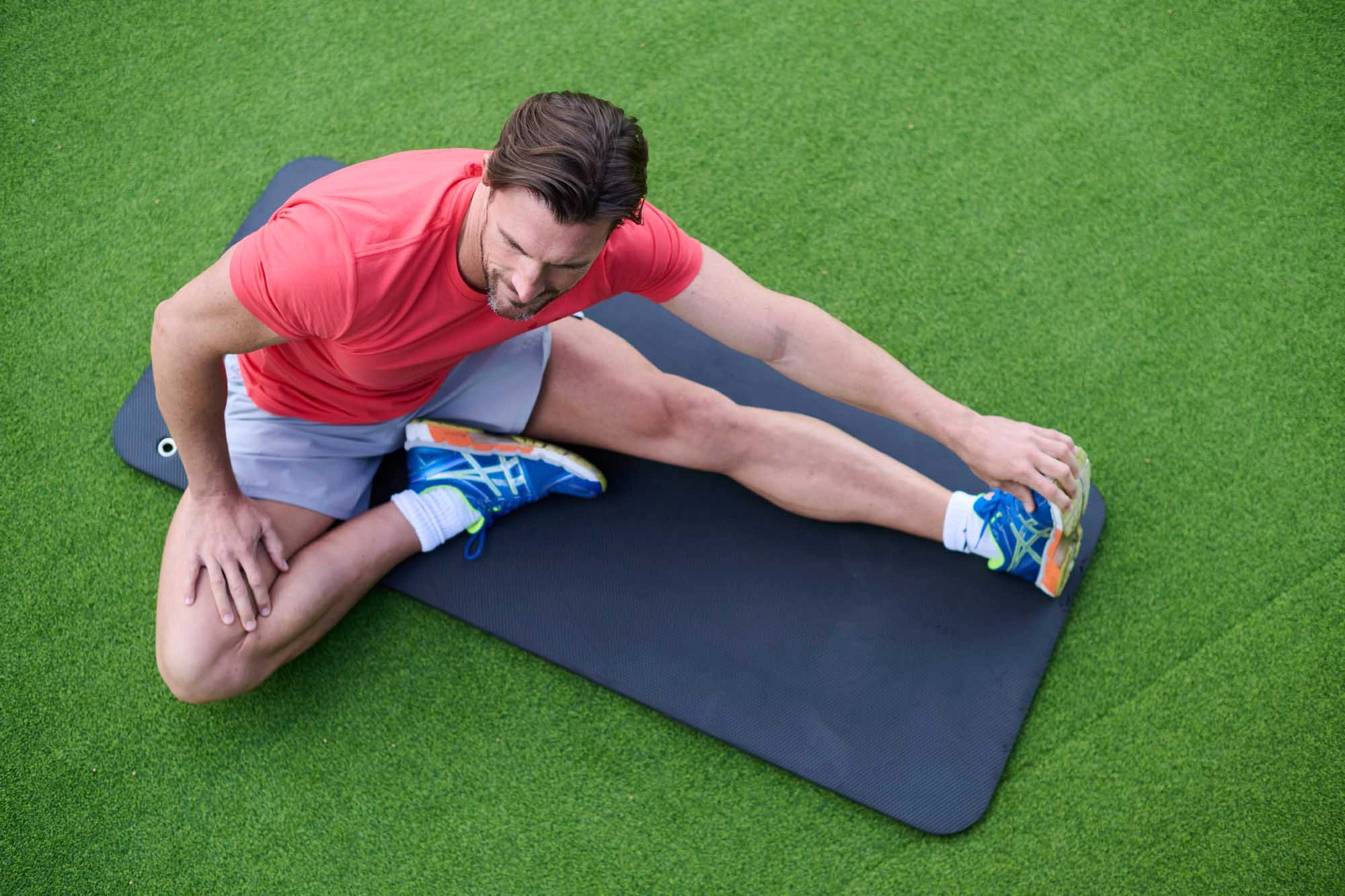
Include Regular Rest Days
Rest days are an important part of any training routine. Including two to three rest days each week allows muscles, tendons, and the nervous system time to recover.
Rest days don’t necessarily mean being completely inactive. The goal is simply to avoid intense training so your body can restore itself properly.
Try Active Recovery
Active recovery involves gentle movement that supports circulation and reduces stiffness, without placing significant stress on the body. Examples include a relaxed walk, easy swimming, light cycling, and gentle stretching. These activities can help you stay active while still allowing your body to recover.
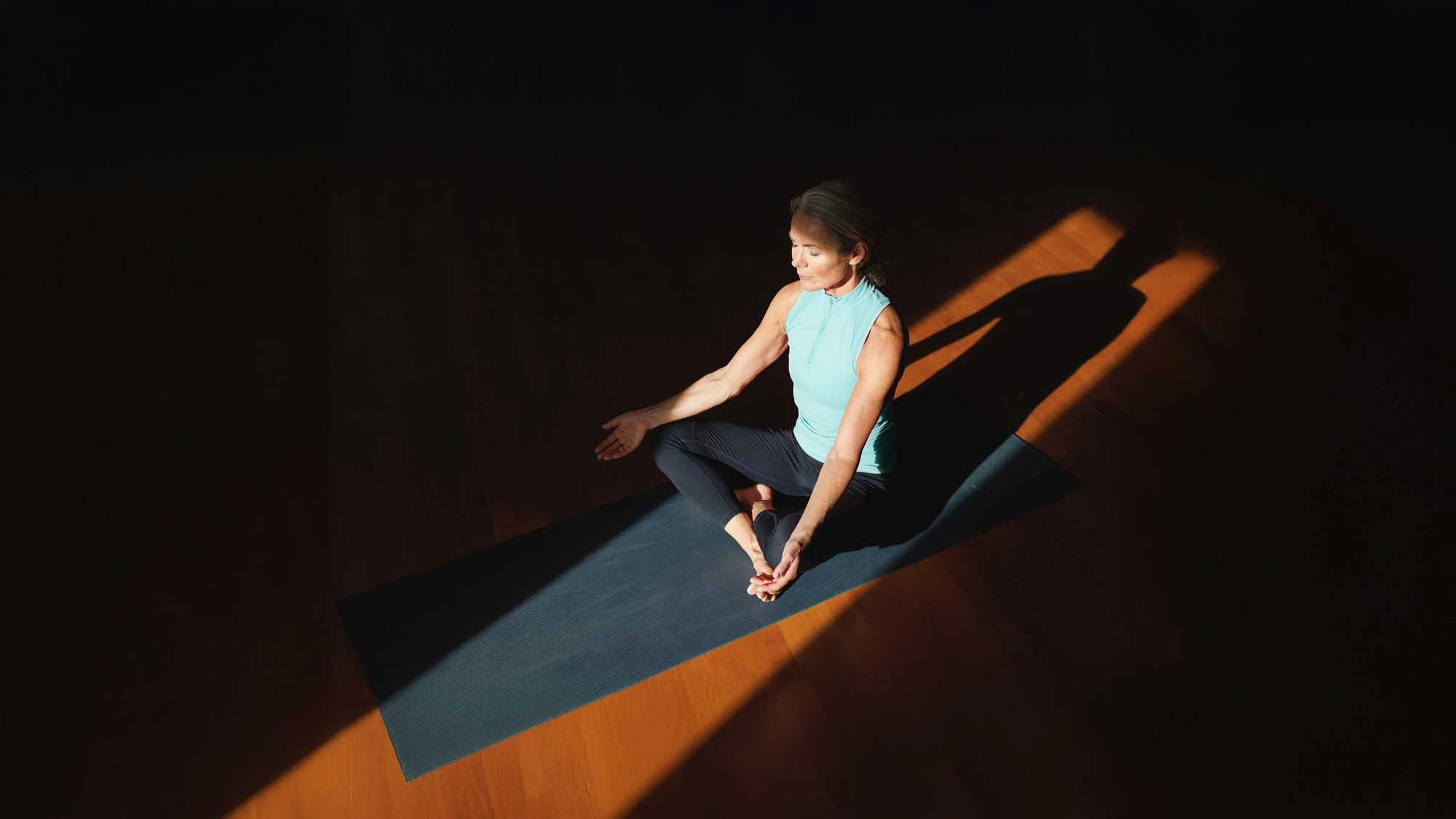
Listen to Your Body
Learning to recognise your body’s signals is an important part of staying healthy and avoiding overtraining.
Signs that you may need more recovery include:
Persistent fatigue
Reduced performance in workouts
Irritability or low motivation
Ongoing muscle soreness
Taking a step back when needed can actually help you progress more effectively in the long run.
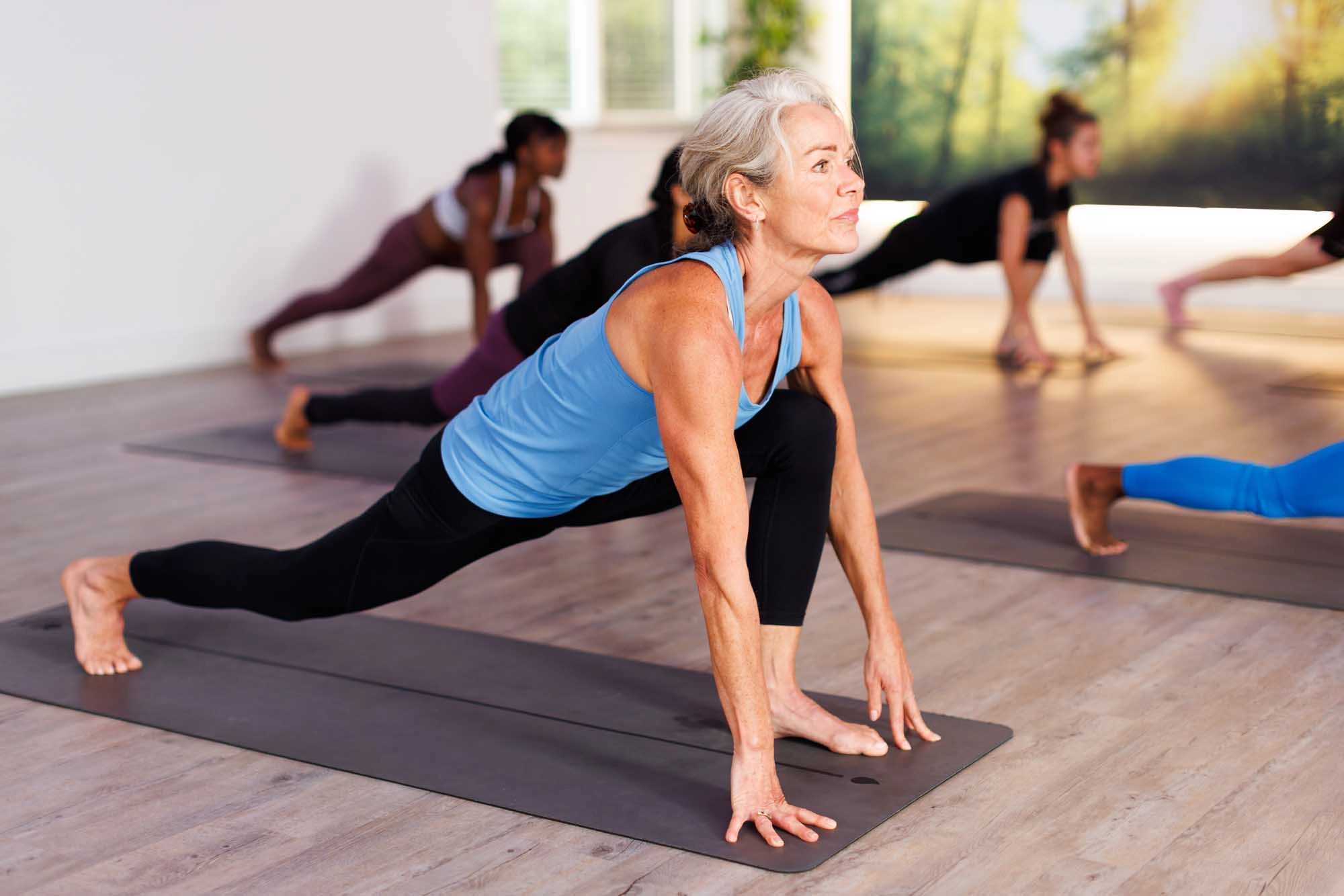
Stretch, Release, and Improve Mobility
Stretching and mobility work can help relieve muscle tension and improve flexibility. Many people find that including regular release work helps them move more comfortably during workouts.
Recovery techniques may include:
Stretching sessions
Foam rolling
Massage or massage tools
Gentle mobility exercises
These approaches can help reduce tightness and keep your body moving well.

Support Mental Recovery Too
Recovery isn’t only physical—mental wellbeing matters just as much. Stress, busy schedules, and constant activity can leave the mind feeling drained.
Practices that support mental recovery include:
Mindfulness or meditation
Breathing exercises
Yoga
Taking time to relax and unwind
Even small moments of calm can make a big difference to your overall wellbeing.
Classes to Support Recovery
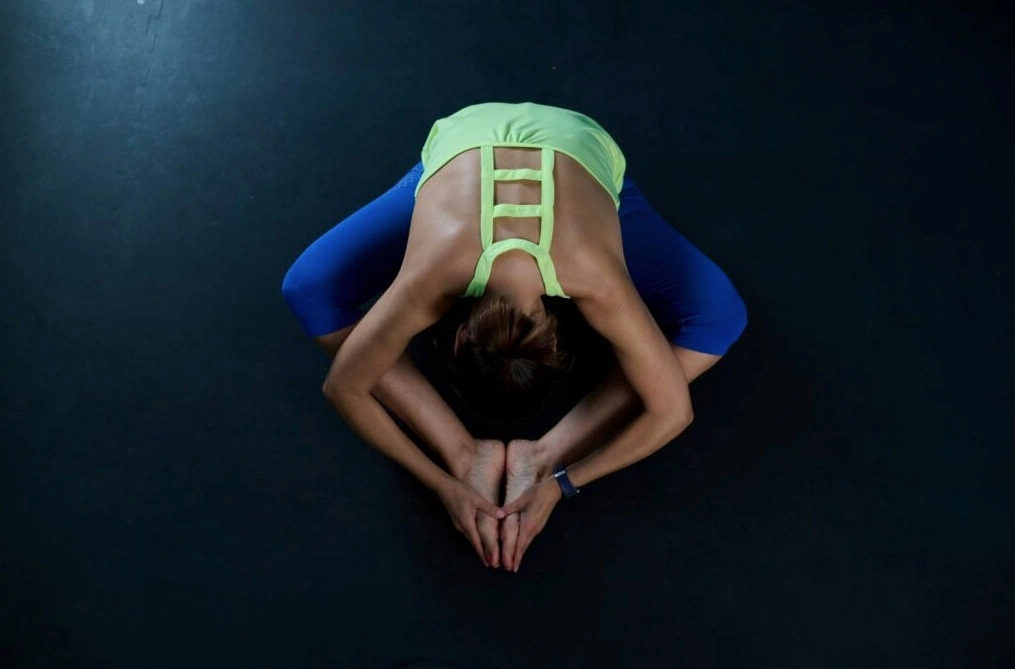
If you prefer guided sessions, there are several classes designed to promote relaxation, mobility, and gentle movement:
Tai Chi
Meditation
Stretch classes
Yoga
Walk Club
These activities help encourage mindful movement while supporting both physical and mental recovery.

Make the Most of Recovery Spaces
Many recovery opportunities are available outside of structured classes. You might choose to use:
The gym stretch area with foam rollers and massage tools
The pool for a gentle swim
Spa facilities to relax and unwind
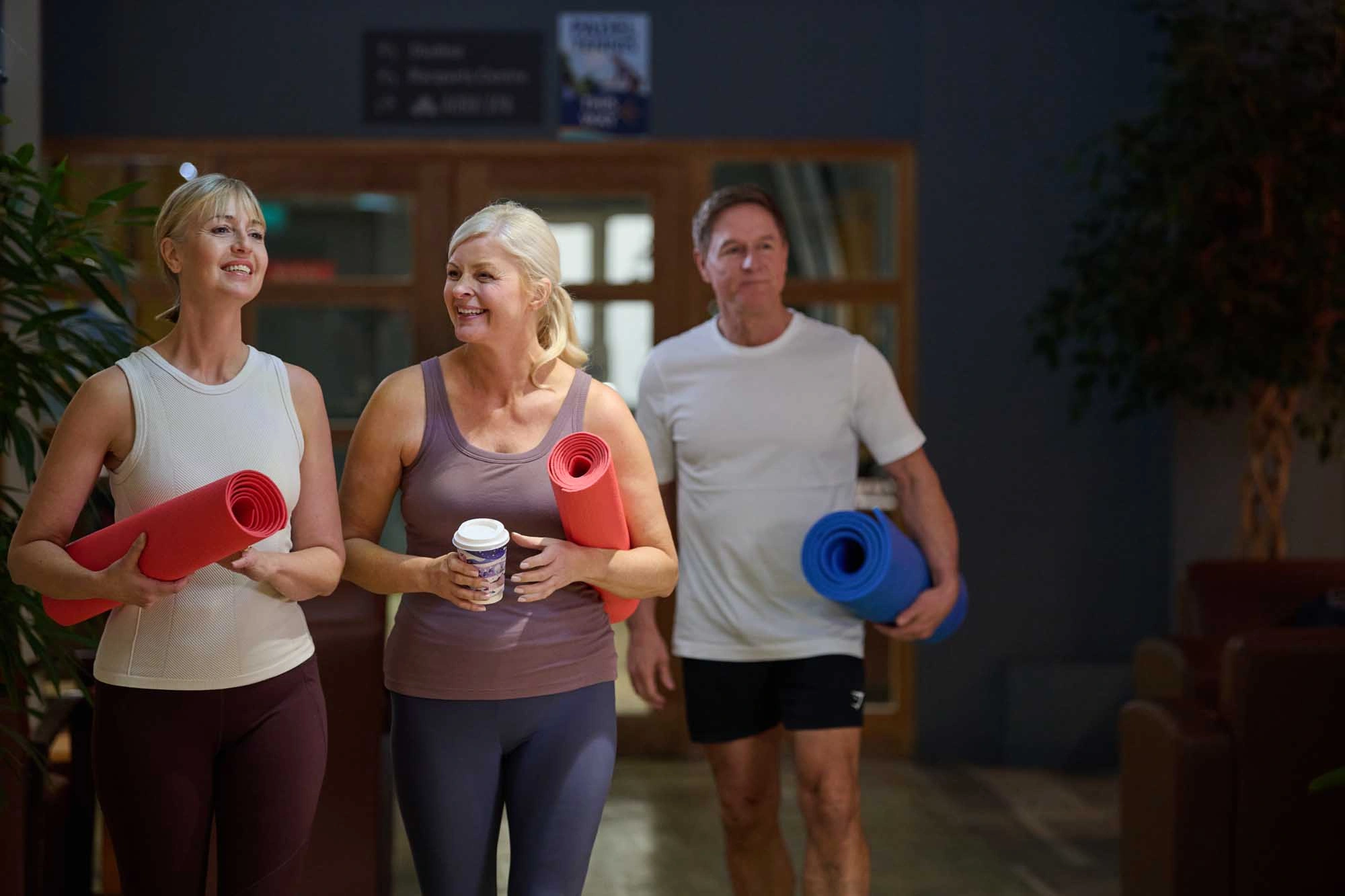
Quiet social moments, such as taking time to relax with a coffee
These simple activities can be an effective way to recharge both physically and mentally.
Balance Is the Key
Progress doesn’t only happen during workouts – it happens when the body recovers afterwards. By prioritising sleep, rest days, gentle movement, and mental relaxation, you create a balanced approach to fitness that supports long-term health and enjoyment.
Remember, recovery isn’t a pause in progress but an essential part of becoming stronger, healthier, and more resilient.